

Imagine walking into a room where the walls come alive with sound and motion. Welcome to the captivating world of audio visual technology. As it intertwines sound with visual experiences, this tech marvel does more than just entertain: it transforms communication, learning, and even business operations. In this text, we’ll take a hilarious but informative journey into the world of audio visual technology, shedding light on its components, applications, and future trends. Buckle up: it’s going to be an enlightening ride.
Understanding Audio Visual Technology
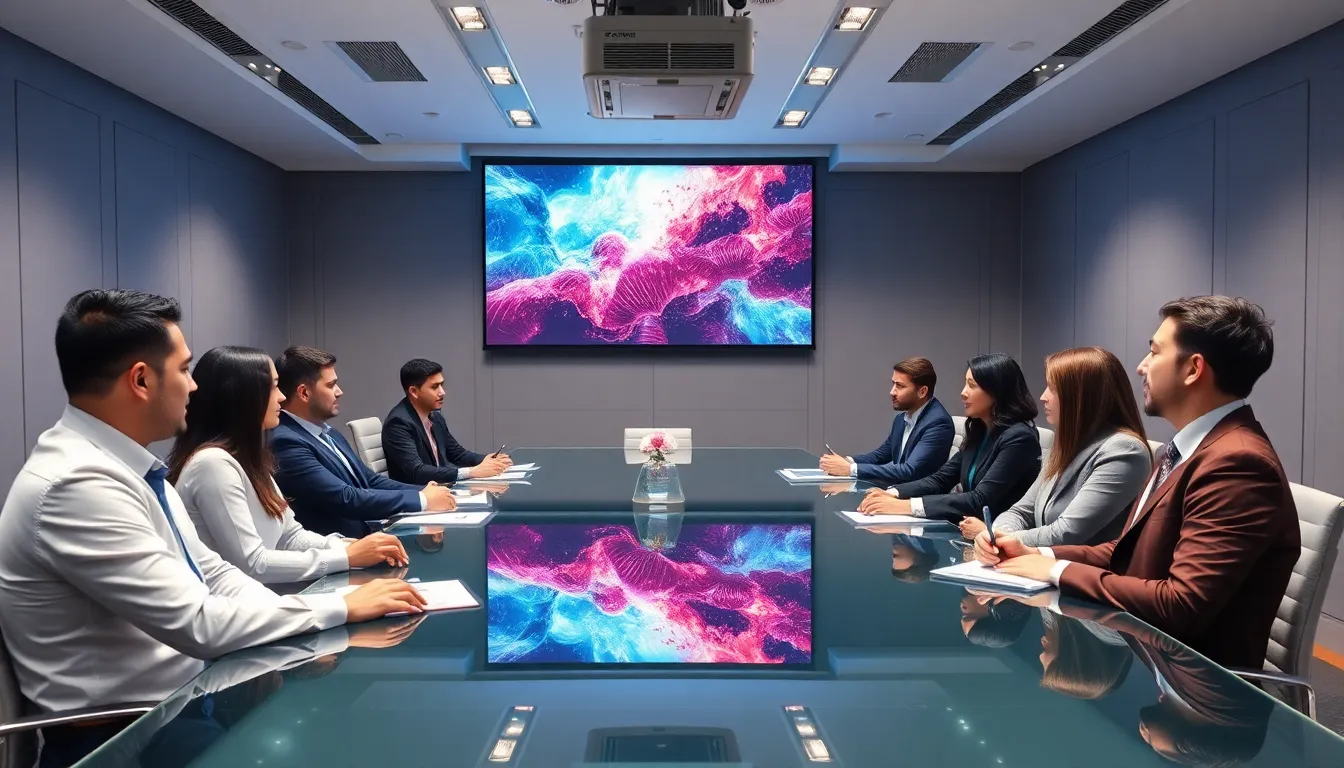
Audio visual technology, often abbreviated as AV technology, refers to the combination of sound and visual components used in various settings. Whether in a conference room or a cinema, audio visual technology plays a crucial role in delivering clear communication and immersive experiences. It encompasses everything from projectors and microphones to complex broadcasting systems. Understanding this technology is key to embracing its potential. A well-configured AV system can make or break a presentation, and let’s face it, a blurry video or crackling audio can turn even the best content into a snooze-fest.
The Components of Audio Visual Systems
To truly grasp audio visual technology, one must first explore its components. Here are the main elements:
Display Devices
Display devices are the visual front-runners. This includes projectors and screens, LCD displays, or even large LED walls. Their role is to convey visual content effectively.
Audio Equipment
Microphones, speakers, and sound systems fall under this category. They ensure that the audio is clear and crisp. Gone are the days of fuzzy sound. Thanks to advancements in technology, quality audio is at our fingertips.
Control Systems
These are the brains behind the operation. Control systems allow users to manage various devices seamlessly, whether through remote controls or sophisticated software. They ensure everything works together harmoniously.
Connectivity Solutions
Cables and wireless systems help connect the various components of an AV system. This includes HDMI cables, wireless transmitters, and other technologies essential for streamlined communication.
Combining these elements creates an integrated audio visual system, capable of transforming ordinary spaces into engaging environments.
Applications of Audio Visual Technology
Audio visual technology finds applications across diverse fields. Here are some key areas where it’s making a significant impact:
Education
In classrooms, AV technology enhances learning experiences. Interactive projectors and audio systems allow for dynamic presentations that keep students engaged. Gone are the days of dull lectures.
Business
From boardrooms to large conferences, AV tech facilitates effective communication. Video conferencing systems have revolutionized remote collaborations, bridging gaps between teams worldwide.
Entertainment
In theaters and concert halls, AV technology plays a pivotal role. Sound systems and visual displays create immersive experiences that captivate audiences.
Healthcare
In medical settings, AV technology streamlines information sharing and patient interaction. Telemedicine, for example, uses AV systems for remote consultations, making healthcare more accessible.
These applications showcase the versatility of audio visual technology, reinforcing its necessity in today’s digital landscape.
Benefits of Audio Visual Technology
With great technology comes great advantages. Audio visual technology offers numerous benefits, including:
Enhanced Communication
Clear audio and vivid visuals foster improved communication, making information easier to digest. Whether in a business meeting or a classroom, participants can engage more effectively.
Increased Engagement
Interactive AV systems capture attention. They create environments conducive to learning and participation. For instance, integrating video clips in presentations can lead to higher retention rates.
Flexibility
AV technology adapts to various settings. From a small meeting room to a grand auditorium, it can scale according to needs, providing tailored solutions without compromise.
Cost-effectiveness
While initial setup costs may be high, the long-term savings can be significant. Efficient systems reduce downtime and improve productivity, which justifies the investment.
Overall, embracing audio visual technology can lead to better outcomes, be it in education, business, or entertainment.
Future Trends in Audio Visual Technology
The world of audio visual technology is ever-evolving. As technology advances, several exciting trends emerge:
Integration with AI
Artificial intelligence is transforming how AV systems operate. Smart systems can adapt based on user preferences, providing a personalized experience.
Virtual Reality and Augmented Reality
Immersive experiences are becoming more commonplace. VR and AR applications in AV tech are set to revolutionize fields like education and training, offering interactive simulations that enhance learning.
Increased Demand for Streaming
With more content being consumed online, AV technology is adapting to meet streaming demands. High-quality streaming solutions are essential for remote events and presentations.
Sustainable Solutions
As environmental concerns grow, there is a push for sustainable AV technologies. Energy-efficient systems and eco-friendly materials are on the rise, aligning with global sustainability goals.
These trends are shaping the future of audio visual technology, promising more immersive and responsible solutions.


