

Picture this: you’re lounging on your couch, scrolling through your banking app, and feeling as secure as a cat in a sunbeam. But, scratch that surface, and you might wonder, how safe are these mobile banking apps really? The convenience of managing finances from the palm of your hand is incredible, but a nagging concern lurks about security risks. Fear not. In this text, we’ll dive headfirst into the world of mobile banking, break down security threats, and arm you with the knowledge to keep your money safe.
The Rise of Mobile Banking Apps
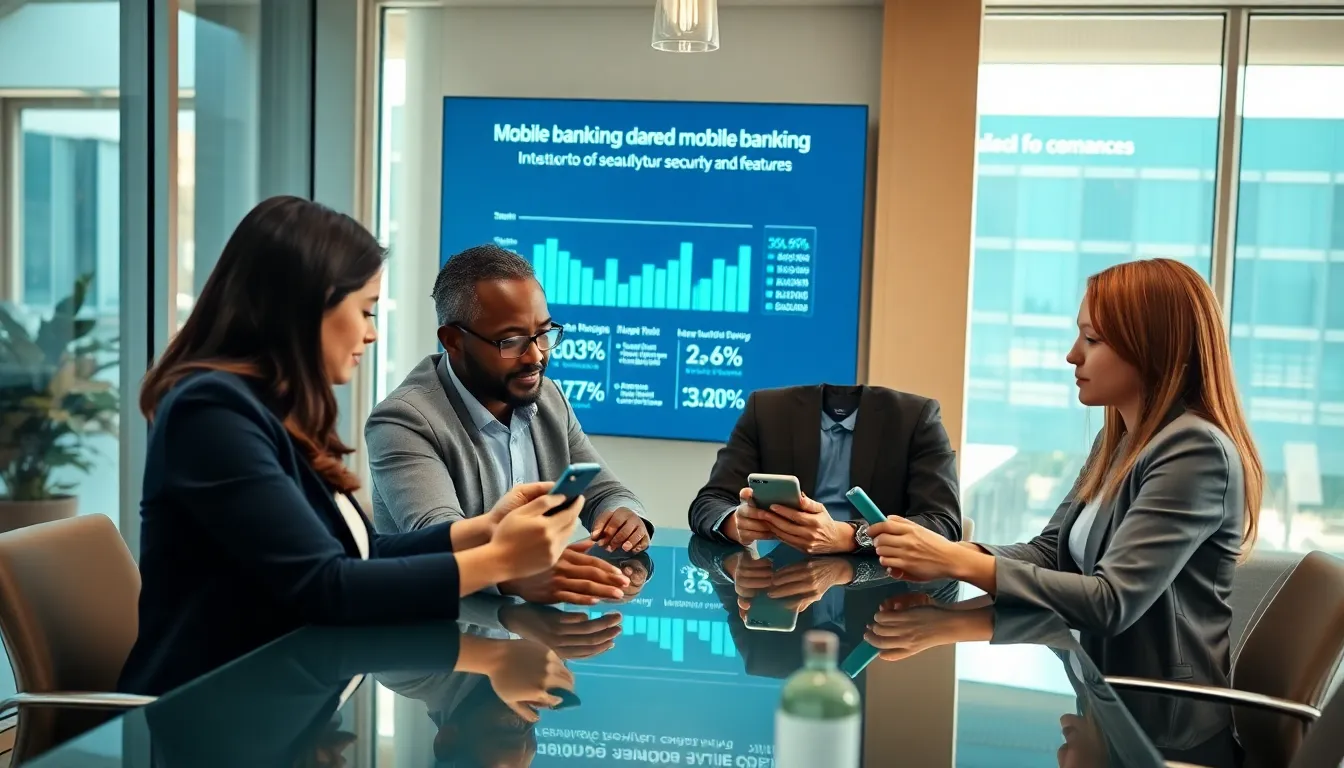
The surge in mobile banking apps has been nothing short of revolutionary. In recent years, as smartphones became more ubiquitous, people shifted from traditional banking methods to the ease of mobile transactions. A recent survey estimates that over 75% of consumers now use mobile banking, a trend driven by convenience, accessibility, and efficiency.
No longer do individuals have to brave long lines or rush before closing times to handle their finances: everything is now available at their fingertips. This shift toward mobile banking reflects not just technological advancement but also a dramatic change in consumer behavior. As reliance on mobile banking grows, so do questions about safety and security.
Understanding Mobile Banking Security
Mobile banking security is a complex web of protocols, technologies, and practices designed to protect users and their financial information. The cornerstone of this security lies in encryption technology that encodes data during online transactions, making it virtually indecipherable to unauthorized users.
Banks also use multi-factor authentication, requiring users to provide multiple forms of verification before accessing their accounts. This could include anything from entering a password to receiving a unique code via text message. It’s like having a bouncer at the door of your digital finances.
Even though these measures, the rapidly evolving landscape of technology means new threats are constantly emerging. It’s essential for users to stay informed and vigilant.
Common Security Risks in Mobile Banking
While mobile banking apps offer unparalleled convenience, they’re not without risks. Phishing attacks are one of the most significant threats, wherein malicious entities trick users into providing personal information by impersonating legitimate websites or communications.
Malware also poses a notable risk. Cybercriminals may develop harmful software designed to infiltrate mobile devices and surveil user activity or steal sensitive information. Also, it’s important to consider public Wi-Fi networks. While tempting to use for free internet access, these unsecured networks can serve as fertile ground for hackers to intercept data.
Also, many individuals overlook the importance of app updates. Delayed updates can leave apps vulnerable to known exploits, significantly undermining security.
Best Practices for Safe Mobile Banking
To ensure safe mobile banking, individuals must adopt some best practices. First off, always download apps directly from trusted sources, such as the official app store. This minimizes the risk of encountering harmful versions of apps.
Setting up strong passwords that combine letters, numbers, and symbols is vital. Users should never share their login credentials and should avoid using the same password for multiple accounts. Also, activating notifications for account activity can provide an extra layer of security, allowing users to catch unauthorized transactions early.
Regularly updating device software and apps should become a habit. Each update often provides patches for known vulnerabilities. Finally, steering clear of public Wi-Fi for banking tasks can go a long way in protecting sensitive data.
The Role of Technology in Ensuring Security
Technology continuously advances, playing a crucial role in enhancing the security of mobile banking. Biometric authentication, which includes thumbprints or facial recognition, offers users a more secure way to access their accounts. These features are particularly impressive because they reduce the reliance on traditional passwords, which can be compromised.
Also, artificial intelligence (AI) plays a dynamic role in identifying suspicious activities by analyzing transaction patterns and flagging anomalies. As AI grows smarter, it only becomes more effective at spotting attempts at fraud.
Blockchain technology is also gaining traction within banking. Although often associated with cryptocurrencies, its potential for secure transactions offers a promising frontier in mobile banking security, ensuring the protection of customer data.
Future of Mobile Banking Security
The future of mobile banking security is likely to be shaped by constant innovation. Enhanced security measures like quantum encryption could transform how sensitive data is protected, rendering normal hacking attempts obsolete.
Also, as digital currencies become more prevalent, so will the tools that protect them. Banks and financial institutions will undoubtedly invest heavily in cybersecurity solutions, all while continuously educating consumers about the potential risks and security measures.
The collaborative approach of combining advanced technology and user awareness will be vital in enhancing security in mobile banking apps. Together, they can significantly reduce risks and create a more secure environment for personal finances.


