

Ever tried to watch a presentation where the sound cuts out or the video goes haywire? It’s enough to make anyone want to pull their hair out. Enter audio visual technology, the unsung hero of modern communication that blends sounds and sights to create engaging experiences. Let’s jump into this world where speakers, projectors, and screens come together to make your content pop.
Understanding Audio Visual Technology
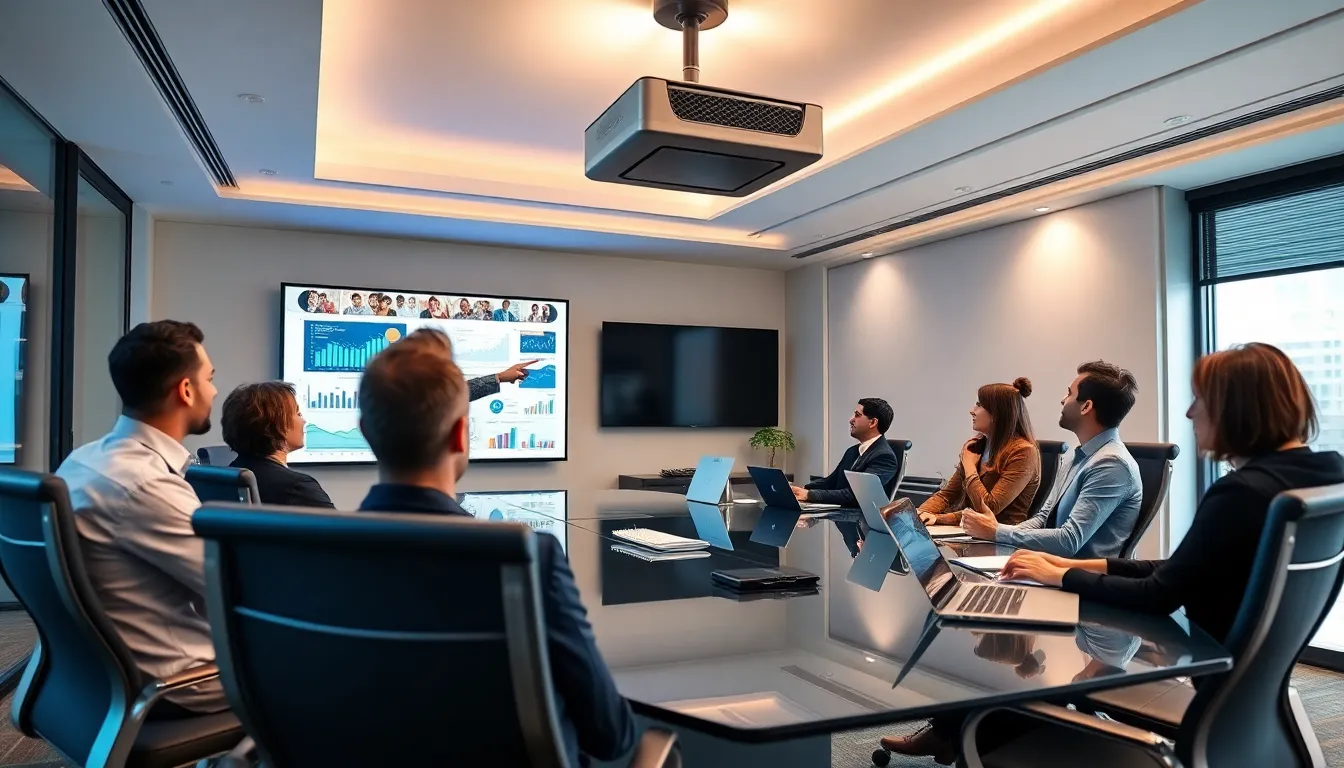
Audio visual technology encompasses a wide array of tools that combine sound and video to convey information effectively. Whether it’s used in a classroom, a corporate boardroom, or during live events, audio visual systems play a pivotal role in enhancing communication. At its core, this technology integrates both audio elements, like speakers and microphones, with visual components, such as projectors and screens, creating a seamless multimedia experience.
This blend of elements ensures that the audience not only hears what is being said but also sees visuals that reinforce the message. It’s like having a conversation where one person brings a great story, and the other adds stunning visuals to keep everyone glued to their seats.
Components of Audio Visual Systems
When discussing audio visual systems, several key components come into play:
- Display Devices: These include projectors, LED screens, and televisions that visually present content. They are the windows through which the audience observes presentations, videos, or live feeds.
- Audio Equipment: This comprises microphones, speakers, and mixers. It ensures that what is said is heard loud and clear. Quality audio equipment can make or break a presentation.
- Control Systems: Remote controls and control software allow users to manage audio visual equipment smoothly and effortlessly. Imagine trying to juggle multiple devices without a unified control system, chaos.
- Cabling and Connectivity: Good connections are essential for the functionality of the system. Proper cabling ensures that data flows seamlessly between components, reducing interruptions during crucial moments.
Together, these components create a cohesive system that can be tailored to meet various needs, whether it’s for a small meeting room or a large auditorium.
Applications of Audio Visual Technology
The applications of audio visual technology are as diverse as the components that make them up. Here are some notable areas where this technology shines:
- Education: Interactive lessons that use projectors and digital whiteboards engage students far more effectively than traditional lectures. Teachers can incorporate videos, graphics, and real-time polling to make learning a dynamic experience.
- Corporate Events: From presentations to training sessions, businesses rely on audio visual technology to ensure their messages resonate with their audiences. Live streaming capabilities have also opened new avenues for reaching remote participants.
- Healthcare: In medical fields, audio visual technology is pivotal during telemedicine consultations, enabling healthcare professionals to communicate effectively with patients from afar. Also, surgical teams use real-time imaging and sound technology to enhance precision.
- Entertainment Venues: Concerts, theaters, and cinemas heavily depend on advanced audio visual setups to engage audiences and deliver immersive experiences. The use of high-quality sound and stunning visuals is critical in these settings.
Emerging Trends in Audio Visual Technology
As with any field, audio visual technology constantly evolves. Here are some exciting emerging trends to watch:
- Virtual Reality (VR) and Augmented Reality (AR): These technologies are transforming how visual content is presented. VR immerses users in a completely virtual environment, while AR overlays digital information onto the real world, enhancing the way information is consumed.
- Automation and Integration: Modern audio visual systems increasingly rely on automation, allowing for integrated controls that streamline user experience. A unified system can be controlled from a single interface, minimizing technical difficulties.
- Streaming Services and Hybrid Solutions: With the rise of remote work, hybrid events that combine live audiences with virtual participants are becoming the norm. Audio visual technology is adapting to support seamless streaming and interaction between both audiences.
- Sustainable Practices: As the world becomes more environmentally conscious, the audio visual industry is looking for ways to reduce waste and energy consumption. Energy-efficient devices are now a priority in new installations.
Choosing the Right Audio Visual Solutions
Selecting the right audio visual solutions can feel overwhelming, but it doesn’t have to be. Here are some guiding principles:
The Importance of Audio Visual Technology in Education
When implementing audio visual tools in educational settings, consider the age group and learning objectives. Interactive tools that engage students visually and aurally are ideal. Think about what makes a lesson memorable, students benefit from diverse teaching methods.
The Role of Audio Visual Technology in Corporate Settings
For businesses, being clear about the goals of the presentation or event can help in selecting appropriate technology. Are you aiming for formal meetings or an open workshop? Knowing the audience type can guide the choice of equipment and setup.
Best Practices for Implementing Audio Visual Technology
To ensure an effective audio visual setup, consider these best practices:
- Assess Your Space: Understand the dimensions and acoustics of your venue. A beautiful setup can be wasted in a poorly suited space.
- Prioritize Quality: Invest in high-quality components. Cheap gear may save money upfront, but poor sound and visuals can tarnish an event.
- Train Your Team: Familiarize users with the equipment to avoid hiccups during presentations. Technical difficulties are often due to unfamiliarity.
- Plan for Support: Having a backup system or technician on-site can avert crises. It’s wise to prepare for the unexpected.


