

In today’s fast-paced digital world, arts audio and video technology isn’t just a fancy add-on, it’s the heartbeat of modern communication. Imagine trying to enjoy a captivating film without sound or the immersive experience that vibrant visuals provide. Absolutely laughable, right? As creatives push boundaries and audiences crave more engaging content, understanding the intersection of technology and the arts has never been more critical. Buckle up as we investigate deep into this evolving landscape and discover how audio and video technologies are transforming artistic expression and communication.
Overview Of Arts Audio/Video Technology
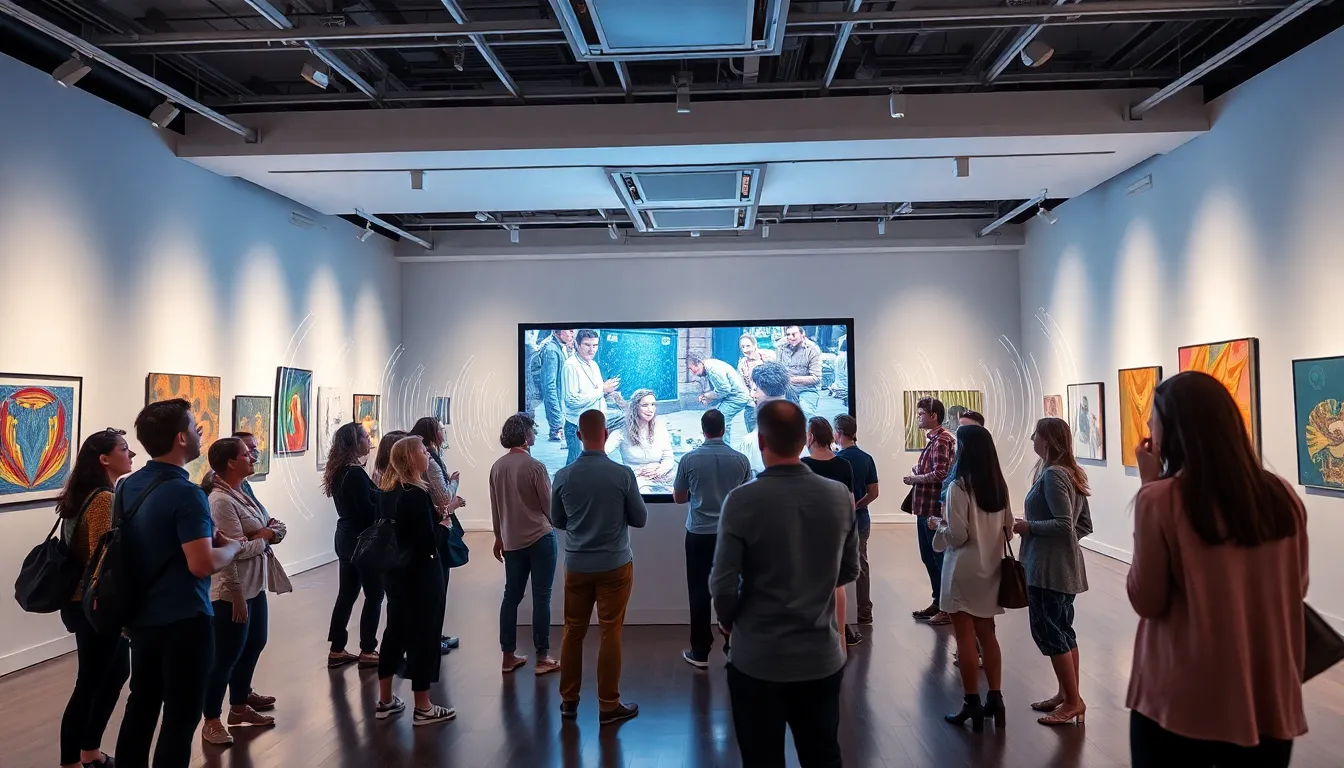
The realm of arts audio and video technology encompasses a vast array of tools and techniques that enhance the way creatives express themselves. It spans everything from high-definition cameras and advanced editing software to immersive sound systems that make every performance more memorable. As technology evolves, these tools are becoming more accessible, allowing artists to reach broader audiences and create richer experiences.
Art installations regularly incorporate audio-visual components that invite viewers to engage on multiple sensory levels. Museums and galleries are no longer static: they pulse with sound and movement, inviting exploration. This technology allows for innovative storytelling methods, with artists able to manipulate soundscapes and visuals to evoke emotions and deliver powerful messages.
The Role Of Audio/Video In Arts Communication
Audio and video play crucial roles in arts communication by acting as bridges between ideas and audiences. They enable artists to convey complex concepts in an engaging manner. Through documentary films, podcasts, and multimedia installations, creators can present their narratives in compelling formats that stimulate the imagination.
Just think about it. A moving documentary can shine light on social issues while inspiring empathy in viewers. Music videos, similarly, turn auditory pleasure into visual delight, creating a multi-layered messaging system. With these technologies, artists have the power to connect with their audience on emotional and intellectual levels, making their art more impactful and resonant.
Emerging Trends In Audio/Video Technology For Arts
As technology continues to advance, new trends are transforming the audio and video landscape in arts. Virtual Reality (VR) and Augmented Reality (AR) are at the forefront, allowing for immersive experiences that blur the lines between reality and imagination. Artists are now able to create virtual galleries and performances that can be accessed from anywhere in the world, eliminating geographical barriers.
Also, artificial intelligence is playing a significant role. AI-driven tools can analyze vast amounts of data, helping artists understand audience preferences and creating tailored content. These innovations open up endless possibilities, including personalized artworks and interactive experiences that respond to viewer input. As these technologies develop, they are reshaping how art is created and consumed.
Impact Of Technology On Artistic Expression
The impact of technology on artistic expression is nothing short of revolutionary. Artists now have a plethora of mediums at their disposal, enabling them to experiment and push boundaries like never before. Digital art, sound design, and video manipulation have democratized the arts, allowing for diverse voices and styles to flourish.
Also, advancements in technology have paved the way for collaborations across different disciplines. Musicians often team up with visual artists to produce multimedia projects that incorporate both sound and visuals seamlessly. This melding of art forms leads to innovative and unexpected results, creating new genres and styles that captivate audiences.
Challenges In The Arts Audio/Video Landscape
Even though the advancements, the arts audio/video landscape is not without its challenges. Issues such as accessibility, digital rights management, and technological literacy are significant concerns. Not every artist has the means to access the latest tools, potentially widening the gap between those who can innovate and those who cannot.
Besides, the rapid pace of technological change can be daunting. Artists often face pressure to continually adapt and learn new skills, which can detract from their core focus, creating art. There’s also a risk of oversaturation: with so much content available, it becomes increasingly difficult for individual artists to stand out.
Future Prospects For Arts Communications Through Technology
Looking ahead, the future prospects for arts communications through technology appear promising. Innovations like blockchain could revolutionize how artists authenticate and sell their work, ensuring transparency and fair compensation. With an increased emphasis on sustainability, technologies that focus on eco-friendly practices are becoming essential in the arts.
As the lines between physical and digital realities continue to blur, more interactivity in art is expected. Audiences will soon find themselves not just passive viewers but active participants in artistic experiences. Collaborations and hybrid formats will emerge, challenging traditional definitions of art.


